
Weight: 31 lbs | Price: $5,599 | www.Bikes.com (really)
Words Chad Cheeney | Images Dennis Yuroshek
At first glance, I must admit that I was a tad bit disappointed. The hot green striping and electric blue lettering of the Rocky Mountain Altitude 770 MSL Rally instantly brought horrible flashbacks to my first days this past February in my new hometown of Bend, Ore., when my fantastic Denver Broncos took an amazing ride to the Super Bowl and then lost like they were infants. This was totally a Seattle Seahawks tribute bike, and that had me all hot and bothered. It looked good, but bad through Bronco eyes. Mountain Flyer is an obvious Broncos tribute rag and has had numerous Broncos references in its decade of cycling beauty. “How could they do this to me?” I thought.
Well, flash forward 707.3 miles and it turns out the boys at this very mag were not only thinking of me, they were doing me a favor. This is a man’s bike, a bike that wants you to do work, a bike that wants you to want more out of every inch of trail. Born in the Rocky Mountains of British Columbia, the Rally is intended to do just what I feared—find the biggest and baddest (Broncos reference) mountains, and then fly over them (Seahawks reference).
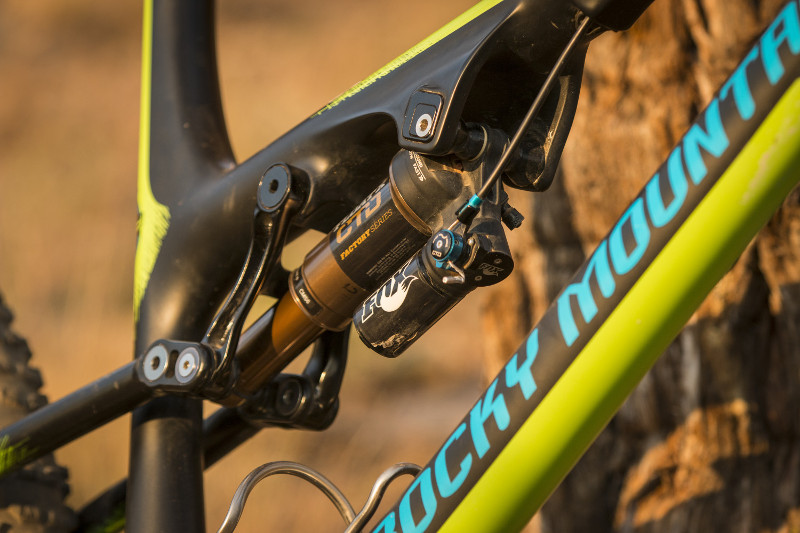
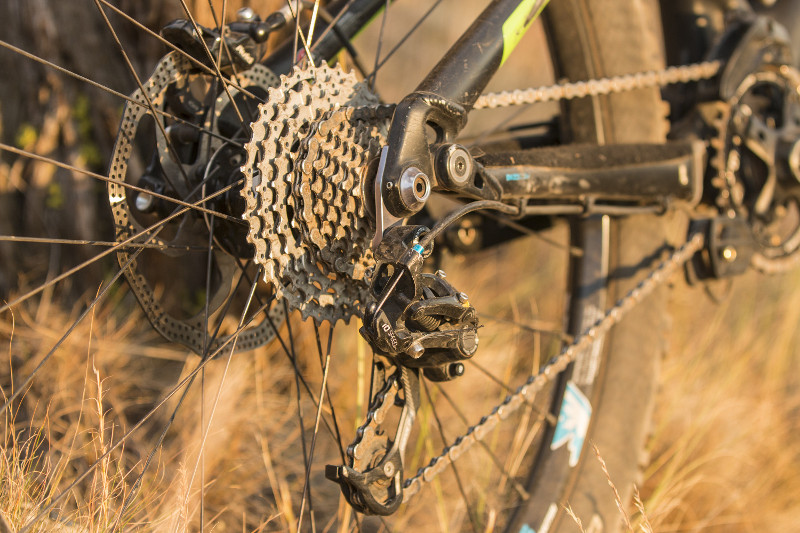
The Rocky Mountain Altitude 770 MSL Rally Edition is the enduro race model of the Altitude line. Meaning a wider, shorter cockpit, bigger travel, and a simple, durable drivetrain. The Race Face Turbine 785 mm handlebars matched with the 60 mm stem sets up for a wide and upright frontend that fit my 6-foot, 3-inch frame well on the XL size I tested. The Rally gets 10 mm of extra travel over the other Altitude models with a stout Fox 34 Float CTD 160 mm fork paired with the Fox Float X CTD rear shock, both Kashima coated and both very buttery. The gearing is very specific with its 10-speed setup. A 34-tooth front ring with e*thirteen’s TRS+ chainguide and an 11-36 tooth SRAM cassette and SRAM X9 Type 2 rear derailleur made for easy, mindless shifting.
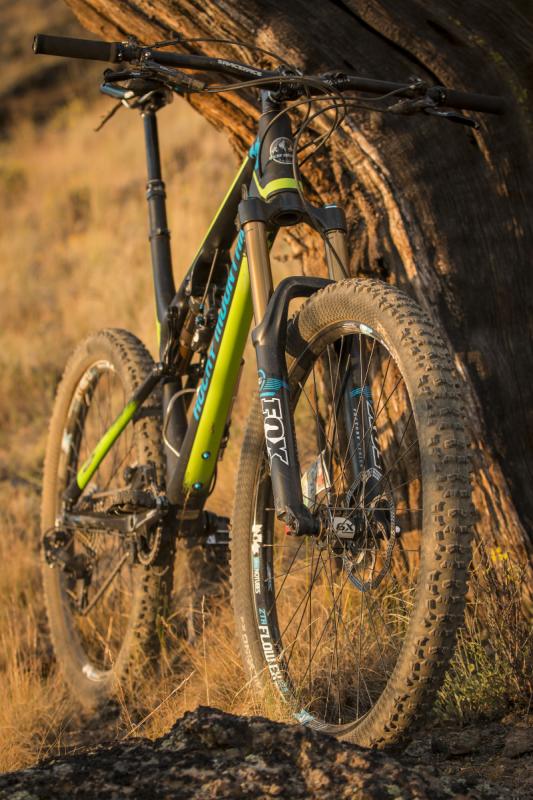
Racing, just riding, who cares, we all want a dropper post and low-maintenance tires that shred, and the Rally has the best in the business with the Rock Shox Reverb Stealth post and 27.5 Continental Trail King 2.4 tubeless trail-killing contact points. I can’t stress enough how rad the Trail King tires are. They are not just good here or good there; they have been solid in Colorado, Oregon, Arizona, Pennsylvania, Wisconsin, New Mexico, and, yes, even Washington. All conditions—these are the tires I want on my bike. I loaded up with a couple of shots of Continental’s RevoSealant at mile zero and have yet to change a flat. The Reverb is a SRAM product, and if you don’t know about it yet, you should; it has the smoothest post-dropping action and is as reliable as droppers get. It has yet to let me down.
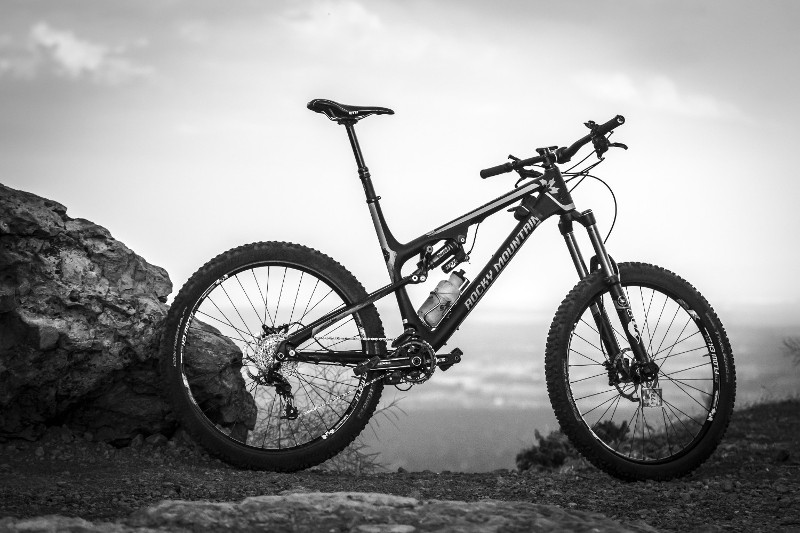
The wheelset also is Seahawks themed, and this added to the packaged look, which is a good thing depending on your style. As for function, the Stan’s ZTR Flow EX tubeless ready rims at 25.5 mm inner wall width, SRAM X9 hubs and DT Swiss Comp spokes have seemed like gluttons for abuse. I have not had any issues at all with these wheels, and the ride quality has been confidence building. To slow these bad boys down, the Rally dropped some mid-grade seeds into the dirt and grew some Avid Elixir 9 Trail hydraulic brakes with 180 mm rotors. I know all the guys and gals at the bike shop are this and that about Avid vs. Shimano brakes, but I’ve seen nothing to sway me one way or the other and really like the feel of the SRAM lever.
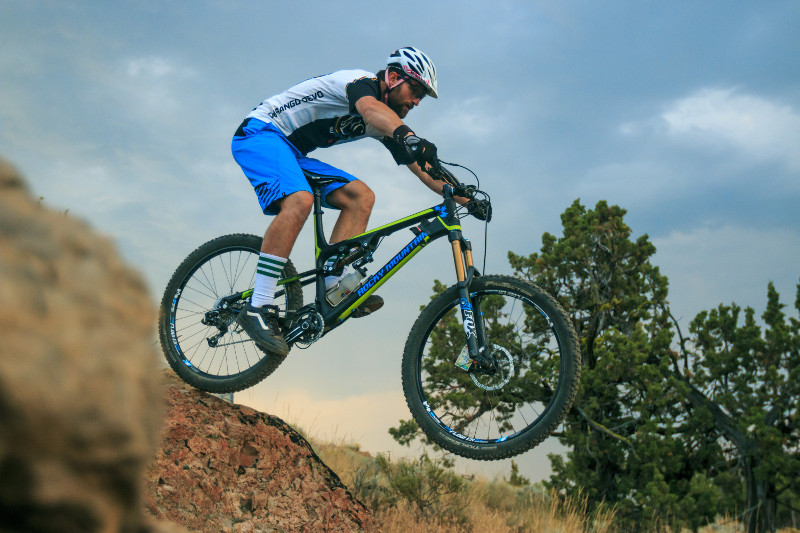
The other bits Rocky Mountain chose to build this bike with are all pretty solid, and I would not change anything to upgrade right away if this were my machine. It is a race-ready bike, as Rocky Mountain advertises on the website. The SRAM X9 drivetrain with Race Face Turbine Crank and chainring are all perfect everyman’s race/ride equipment and not too steep of an order to replace when destroyed by fiery mishaps. The WTB Silverado SL saddle proved comfortable and still looks good after playing with my backside for 700 miles. Yes, it is Seahawks colored as well. The bottom bracket is press fit by Race Face and has yet to make a peep, and the Cane Creek 40 series headset has also been smooth sailing.
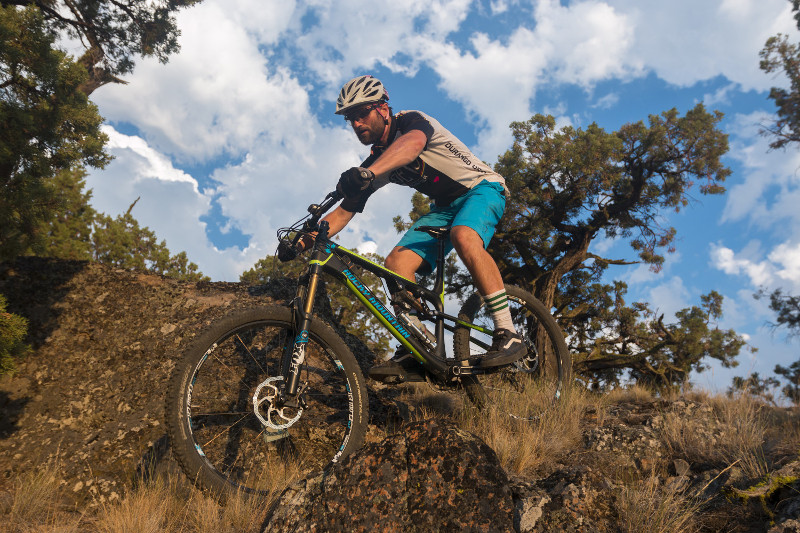
At the heart of all this manliness is the Rally’s beautiful frame. With a matte black Smoothwall carbon fiber front triangle, hydroformed aluminum rear end, internal routed cable options for shifting, lockout and post, tapered headtube, and ISCG05 tabs on the BB, it has it all. But the best of all of that is Rocky Mountain’s Ride 9 system adjustable geometry and suspension rate. Basically, this is the shock pivot point at which you can choose between nine different set-ups with up to 2 degrees of head angle and 20 mm of bottom bracket height variability. I rode the first few months with my bike set up for steeps with shuttle missions off the Columbia River and the Hood River Enduro, then I went completely opposite for the riding in Central Oregon. Steepening up the front end for the Bend Enduro was a good call. I felt the new setup to be noticeable, and it improved my trail action. Switching pivot location was super easy and required the removal of two allen bolts and all of four minutes. Rocky Mountain has an educational web page dedicated to helping you choose from the nine options on their site, ride9.bikes.com. The Rally pivots, in general, have been keeping to themselves. They use reliable, lighter-weight ABS bushings at all the pivots except the main pivot above the BB, and there lies the only cartridge bearings. Nothing flexible about this bike.
The overall weight of this stock Rally was 31 pounds on race day, but with my everyday riding setup—which includes a frame pump, tube taped to frame and water bottle—the bike feels heavy when moving it about in the parking lot and onto the shuttle van and bike stand. But out on the trail and even up the climbs, the bike feels like a trail bike or enduro racer—solid and nimble. I honestly never thought it rode heavy. I was among the Rocky Mountain pro enduro athletes in Hood River, and they both had custom carbon rear triangles and had upgraded the drivetrain and wheels to take off weight. Things to think about.
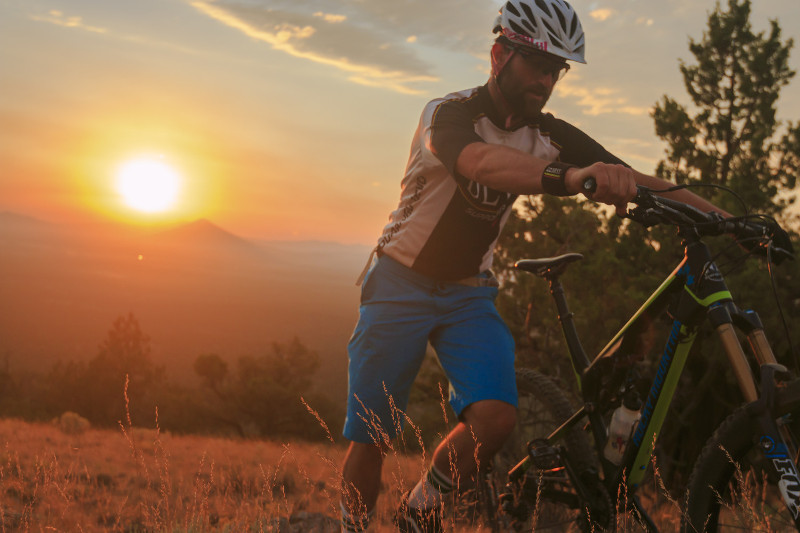
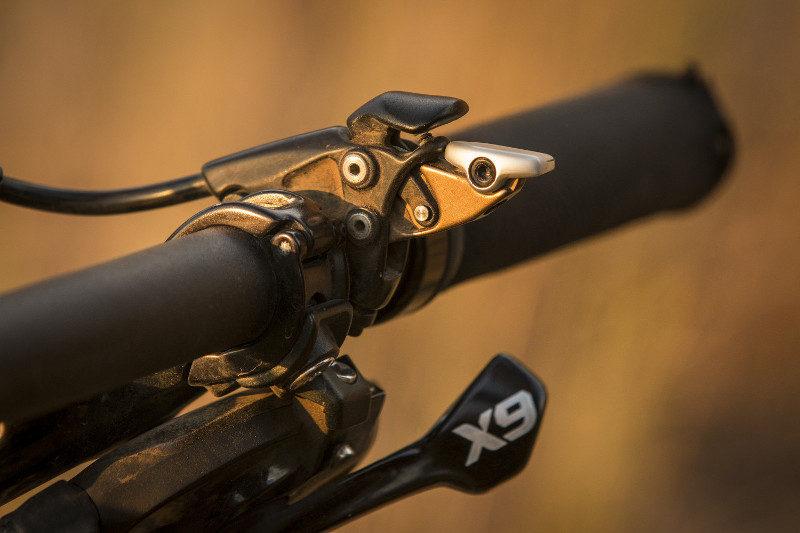
It took a few weeks to get used to the Fox handlebar remote lockout for the rear shock. It has a wide open, trail and lockout option, and the thumb flipper seemed big and not necessary. My first thoughts were to just remove this mess. But now I am a fan, and it really just kicks butt for racing. The shock setup was important as always, and I ended up moving around a little in pressure—decreasing some—after I learned to feel the shock lockout settings. I must admit that this Fox rear shock in trail mode actually feels like it’s locked out for those road sections in between paradises. I rarely used the Fox fork lockout, and the medium firm setting was great for not-techy, fast track. Basically wide open 95 percent of the time.
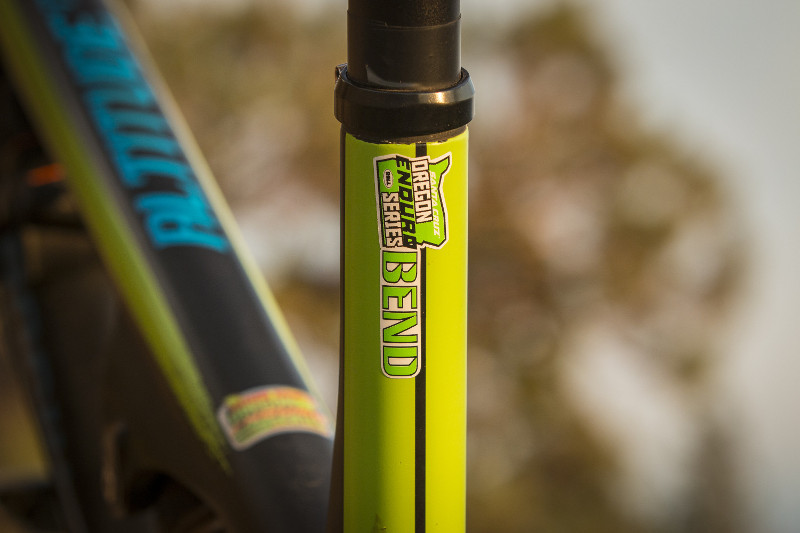
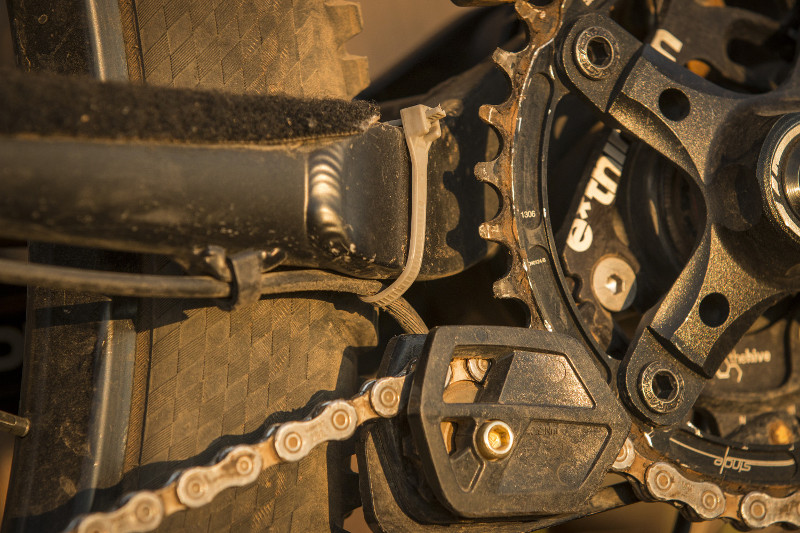
A few things to nitpick: You can barely fit a vintage, small-mouth, 16-ounce bottle in the in-frame mount. There are downtube mounts, but come on. A cable guide mount on the XL-sized rear chainstay left the rear derailleur cable to dangle between the tire and chain coming from the lower chainguide pully. In G-outs and serious suspension action, the cable buzzed the tire; a zip tie to the machined bit on the stay did the trick. This was not a problem on smaller frames. The Race Face grips were comfy but died a quick death and feel sloppy now.
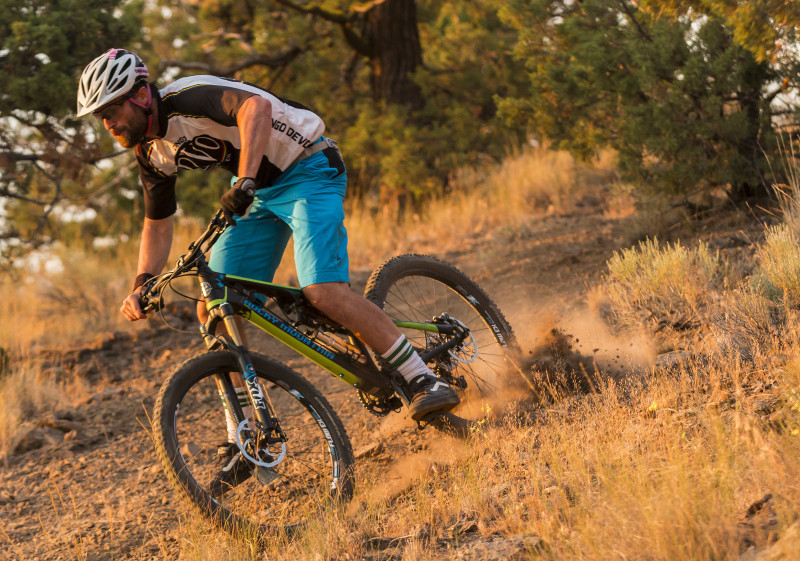
Fun factor is high with all mountain bikes these days. We should just call this bike category fun bike. The Rally is just that, you play from section to section. Riding away from this testing period leaves me with so many rad moments out on the trail. Riding, racing but really just loving every opportunity to use all this rad technology to master the track that lies ahead. Fun and reliable is what the Rally is. All in all, this is one bucking Bronco of a bike. I do actually like the Seahawks; they are my second favorite team.
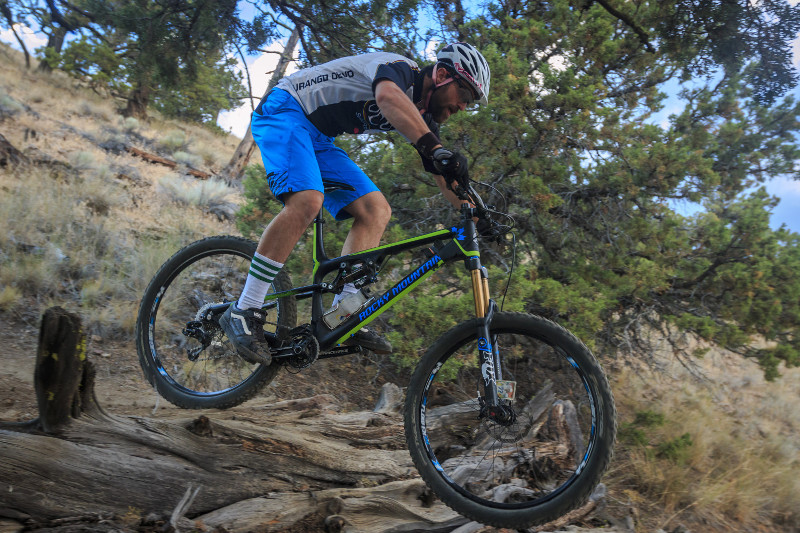
Rocky Mountain states that this bike is “ready for any enduro start gate straight out of the box,” and they are spot on. I basically pulled this bike out of the box, rode it all over the northwest on XC to DH-type trails, then raced it in three Oregon enduros with not much maintenance at all.